TU Dublin hosts 3rd EUt+ language conference on multilingualism, technology and culture
Published on February 10, 2026–Updated on February 10, 2026
poster
Dates
from January 15, 2026 to January 16, 2026
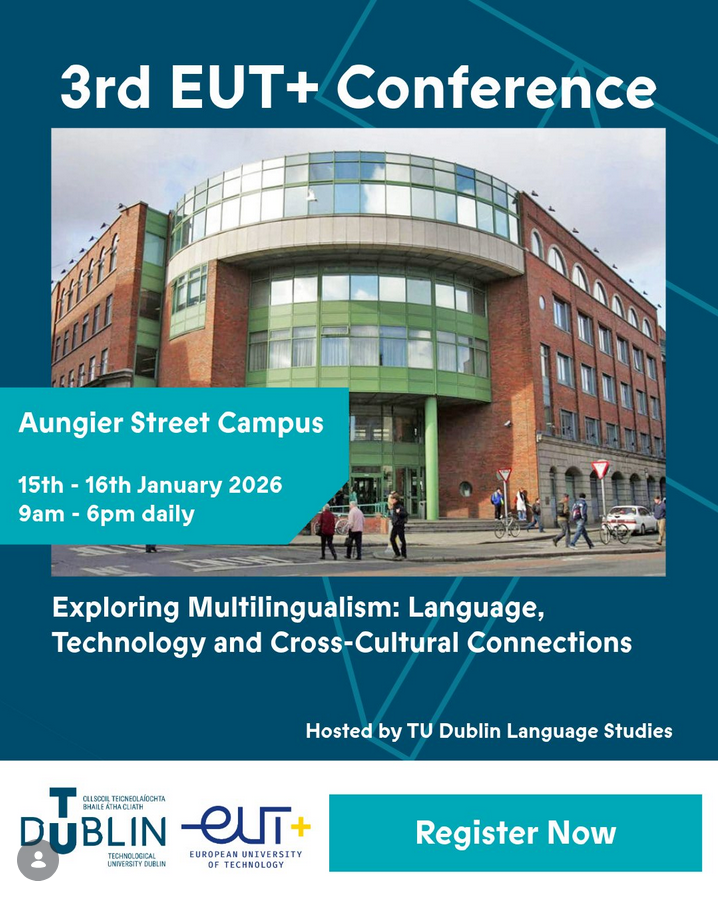
TU Dublin Language Studies was delighted to organise and host the 3rd EUt+ Language Conference, Exploring Multilingualism: Language, Technology and Cross-Cultural Connections, which took place on 15–16 January 2026 at TU Dublin’s Aungier Street campus.
Aligned with the Council of Europe Recommendation 2022.1, which calls on higher education institutions to foster plurilingualism and intercultural dialogue, the conference provided a vibrant platform for the exchange of innovative research, best practices, and collaborative ideas. It brought together scholars and practitioners to explore the complex interactions between language, technology, and cross-cultural communication in contemporary society.
The conference welcomed contributions from a wide range of disciplines and addressed themes including multilingual competence; multilingualism, media and society; literary multilingualism; translation studies; technology-enhanced language learning; plurilingualism in education; cross-cultural and intercultural communication; and language policy and planning in education and society. Across these strands, participants examined issues such as language rights and inclusion, minority languages, migration and mobility, digital tools for language learning, artificial intelligence, and the role of education in supporting plurilingual repertoires.
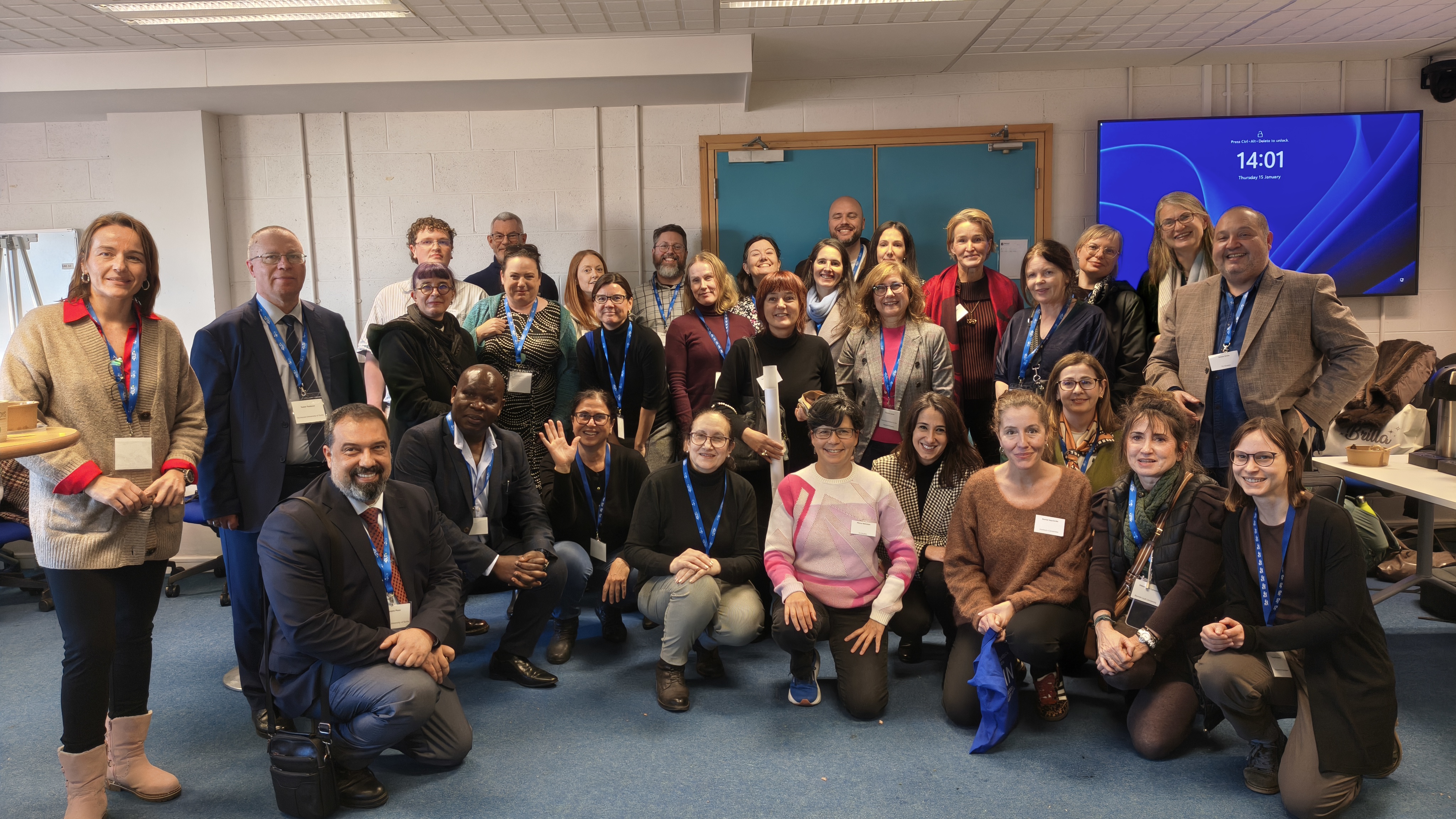
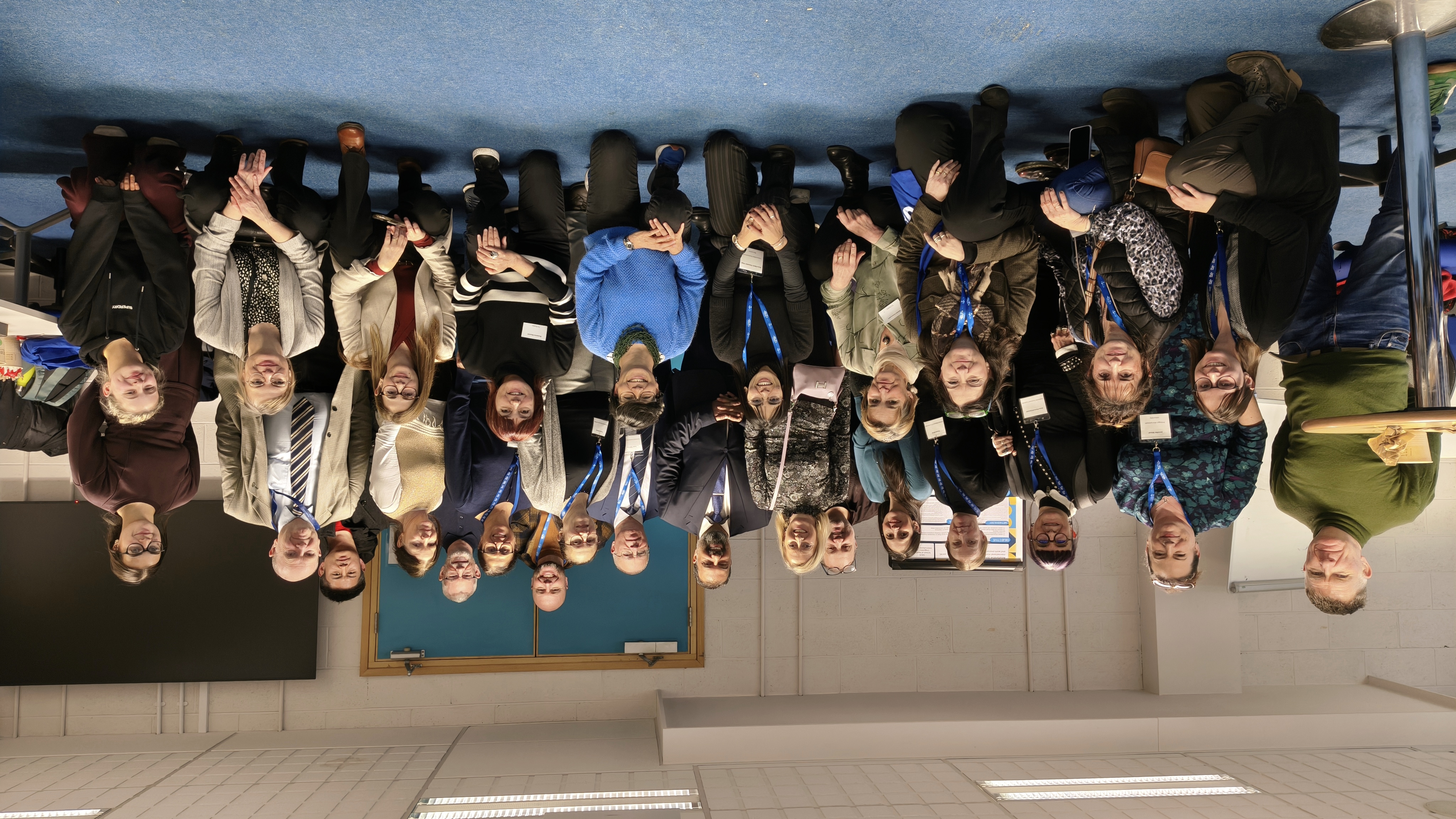
This truly multilingual and cross-cultural gathering brought together colleagues from more than 15 non-EUt+ universities across Ireland, Europe, and the United States, alongside representatives from EUt+ partner institutions in Sofia, Cartagena, Darmstadt, Riga, Cluj-Napoca, and Dublin.
Presentations covered a rich diversity of topics, ranging from perceptions of non-binary learners of Portuguese and literary multilingualism to the use of cutting-edge technologies such as Virtual Reality and Generative Artificial Intelligence in multilingual learning environments.
The conference was widely regarded as an engaging and highly successful intellectual event. By fostering dynamic interdisciplinary dialogue, it contributed meaningfully to ongoing conversations on multilingualism, technological innovation, and cultural exchange within higher education and beyond.